
"Ethiopian coffee production"
6000 article(s) found

Ethiopian coffee beans grinding scale processing method taste estate varieties production area introduction
Ethiopia grows coffee in different climatic zones, so it has more than 140 farm varieties and fresh coffee production all year round. The quality of Ethiopian coffee varies according to different altitudes and geographical ecological environments. Harar coffee from the South-East Highlands is typical mocha coffee with a rich aroma; Wollega coffee from the South-West has a strong fruity flavor;Limu coffee
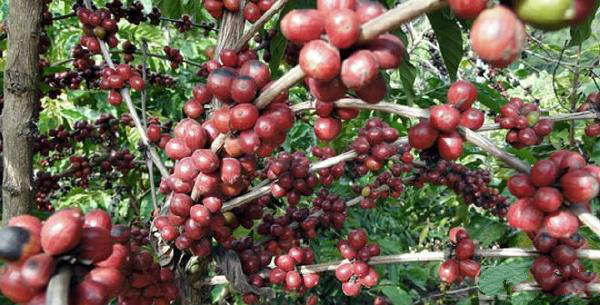
Excuse me, where can I buy authentic Ethiopian coffee? Ethiopian Coffee Sidamo
Ethiopia is one of the major producers of Arabica coffee in Africa, producing the best Arabian coffee in the world. It is said that coffee was first discovered by shepherds in Essekafa, and the name of coffee evolved from Kafa, so Essex is still the hometown of coffee. The geographical environment of coffee production and processing is very suitable for coffee growth. Coffee is mainly cultivated.

Global coffee production Ethiopia coffee production
The coffee tree originated in Ethiopia, where it was originally a wild plant, and the name coffee comes from the Ethiopian town of Kaffa. Humans probably knew how to cultivate coffee trees as early as the 9th century. Ethiopia's coffee growing area: Ethiopia's many coffee trees are still wild plants, this coffee tree grows coffee particles full

Ethiopia Wolichu Wachu Wulichuachu processing Plant-Ethiopian Bourbon Coffee beans
Professional Coffee knowledge Exchange for more information on coffee beans please follow the new batch of Ethiopian coffee from the small processing plant in the coffee workshop (Wechat official account cafe_style) on the other side of the mountain. Altitude: 2100-2310 m area: Guji washing station: Walichu Wachu (Wali out) bean seed: Ethiopian native species Ethiopian Heirloom washing place

How about Ethiopian coffee? Ethiopian rambutan coffee flavor
Professional coffee knowledge exchange More coffee bean information Please pay attention to coffee workshop (Weixin Official Accounts cafe_style) Flavor description Dry fragrance is osmanthus, sugar-fried chestnut, strawberry aroma, sip is raspberry, jasmine, mangosteen, honeydew melon and other tropical fruit aroma. Production area information Ethiopia Guji production area 1800 meters ~ 2100 meters Bean information 2019 production season Sunlight original species Although

Ethiopian Zege Cooperative Coffee Flavor introduction to Ethiopian Coffee producing areas
For more information on coffee beans, please follow Coffee Workshop (Wechat official account cafe_style) Ethiopia Zeg Cooperative area: Amhara area height: 1850-2000 masl Harvest time: January-February municipalities directly under the Central Government: Bahir Dar, Lake Tana Gene varieties: family Baudi Bika arrived in the United States. Production type from April to June: chicken cages

Flavor description of Ethiopian Coffee Manor Variety characteristics introduction of Fine Coffee beans in producing areas
A large amount of coffee production (95%) is done by small shareholders, with an average yield of 561 kg per hectare. For centuries, minority holders of Ethiopian coffee farms have been producing a variety of high-quality types of coffee. The secret of producing high-quality coffee is that coffee growers have developed environmental conditions through generations of repeated learning about the coffee planting process.

Introduction to the unique flavor and taste of Ethiopian coffee manor
China Coffee Network Ethiopia's coffee market management agency is the Ethiopian Coffee and Tea products Administration. There are two auction centers in the country, one in the capital Addis Ababa (Addis Ababa) and the other in Dire Dawa in eastern Ethiopia. Coffee growers bring fresh fruit or to private coffee processing plants or cooperative systems
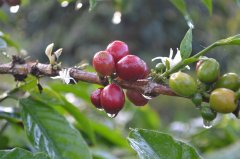
Ethiopian coffee exports will hit a record high in 2019 / 20
Professional coffee knowledge exchange more coffee bean information please follow the coffee workshop (Wechat official account cafe_style) Essex Broadcasting Company news on June 7, the Commissioner of the United States Department of Agriculture in Addis Ababa said that Ethiopian coffee exports are expected to reach 240000 tons in 2019 / 20, a record high. Reuters quoted the U.S. Department of Agriculture as saying that Ethiopian coffee production will rise in 2019 / 20.

Why Ethiopian coffee is so popular the history of Ethiopian coffee tells you
Professional Coffee knowledge Exchange more information about coffee beans Please follow the coffee workshop (official Wechat account cafe_style) there are many reasons why coffee in Africa, especially Ethiopian coffee. Ethiopia's coffee industry is steeped in a rich blend of history, tradition and facts with historical fiction. From the story of Caldy and his ant goat to what coffee lovers call Yir

Introduction to the flavor and taste characteristics of the charming Ethiopian boutique coffee bean manor.
A large amount of coffee production (95%) is done by small shareholders, with an average yield of 561 kg per hectare. For centuries, minority holders of Ethiopian coffee farms have been producing a variety of high-quality types of coffee. The secret of producing high-quality coffee is that coffee growers have developed environmental conditions through generations of repeated learning about the coffee planting process.
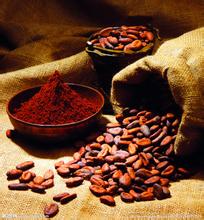
Ethiopian Coffee Culture the Development of Ethiopian Coffee
Ethiopian Coffee has a long History Ethiopian Coffee has a very important history and culture the highest grades of Ethiopian coffee Yega Xuefei G1 G2 Sidamo (Yirgacheffe, Sidamo) are grade 2 and 3 (G2, G3), while sun-processed coffee in eastern Ethiopia is mostly grade 4 or 5 (G4, G5). In many cases, level four coffee is marked as level five.
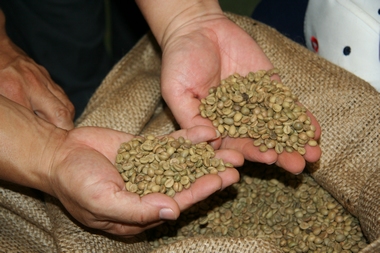
The main producing areas of coffee are in southern Brazil and Ethiopian highlands. Ethiopian coffee imports pass.
Ethiopia is one of the major producers of Arabica coffee in Africa, producing the best Arabian coffee in the world. It is said that coffee was first discovered by shepherds in Essekafa, and the name of coffee evolved from Kafa, so Essex is still the hometown of coffee. The geographical environment of coffee production and processing is very suitable for coffee growth. Coffee is mainly cultivated.

Harald Highland coffee beans, the highest coffee production area of human species.
Ethiopian coffee is called the coffee of the wilderness, and a cup of Ethiopian coffee can bring you a primitive experience you've never had before. Ethiopia has unique natural conditions suitable for growing all imaginable varieties of coffee. One of the most famous Ethiopian Harald coffee has a mixed flavor, mellow taste, moderate or light acidity, the most important
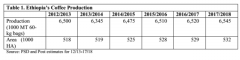
Annual report on Ethiopian Coffee 2017
Ethiopia's coffee production is expected to remain at 6.545 million bags in 2017 / 18. The export is expected to be 3.31 million bags. In June this year, in order to stimulate exports, the government plans to reform the coffee marketing and trading system, one of the most anticipated is that coffee will no longer have to go through the Ethiopian Commodity Exchange (ECX) (ECX trading process and system principles are described in the next article.

Introduction to the taste treatment method of region flavor description of Ethiopian coffee manor brand
Ethiopian coffee farm brand flavor description taste treatment method introduces that Ethiopian coffee beans grow in a close to natural environment, after years of planting under the same growth conditions, Ethiopian coffee beans have gradually adapted to the environment here. More than 60% of coffee beans are grown in forests or semi-forests. A village house that grows coffee in a large area.

Ethiopian Coffee producing area introduction: Ethiopian Coffee producing area Kochare Geography
Professional coffee knowledge exchange more coffee bean information please follow the coffee workshop (Wechat official account cafe_style) introduction: Yirgacheffe in Sidama province because the coffee flavor is unique and well-known, product classification has its own style, has always occupied a place in the coffee market. Yejasuffe itself is a small town of about 20,000 people.

Description of coffee bean flavor of Ethiopian Jima variety introduction to the treatment method of manor production area
Ethiopian Jima variety coffee bean flavor description manor area treatment method the grade of sun-dried beans has never been regarded as a reference for the quality of a bean, but it is true that sun-dried beans are not as clean as water-washed beans, but they have a special sunny smell, very sunny warmth. This bean is a friend suggested that I must enter, he said that this batch, can not be missed. Raw bean
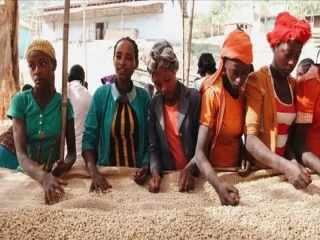
Ethiopian coffee beans | Waka cooperative boutique coffee bean flavor description _ what is the cooperative coffee bean production mode?
Coffee cultivation in Ethiopia is generally based on small farmers' workshops, and the output quality is often affected by unfavorable factors such as technology, capital, labor force and lack of market promotion platform in the process of production. When many coffee farms with their own characteristics cooperate in joint production, they develop together by learning from each other's strong points to offset their weaknesses.

Ethiopian single bean producing area introduces how to brew Ethiopian single bean.
Professional baristas please pay attention to the coffee workshop (Wechat official account cafe_style) washed coffee accounts for 35% of exports. Good quality washed coffee is processed with freshly picked fully ripe fruit, picked carefully and closely monitored by professionals. The picked clean coffee beans are pulped on the day of picking, then fermented, washed, dried and peeled. Processed